
For years, European drinkers viewed tequila as little more than a party spirit. A quick shot, a slice of lime, and the evening moved on.
That perception has changed dramatically.
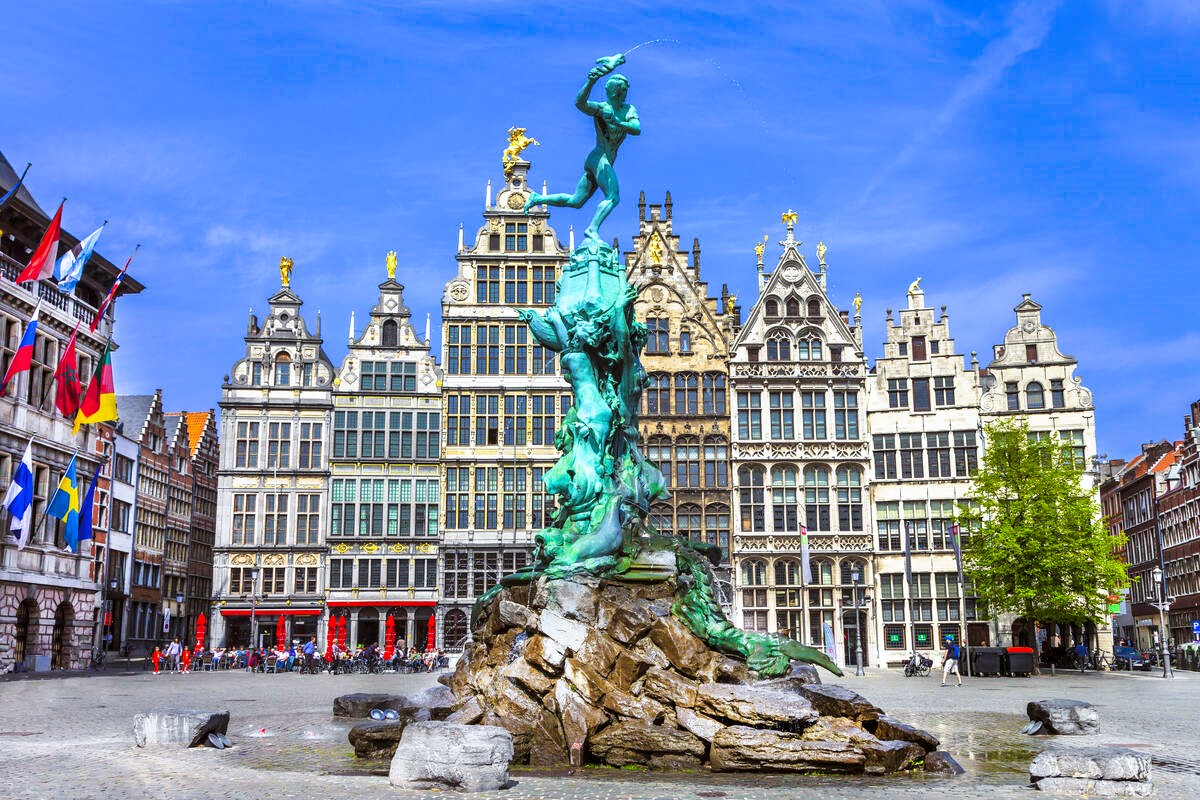
Today, agave spirits occupy some of the most respected positions behind European bars. In cities such as Paris, Amsterdam, Berlin, Copenhagen, and London, tequila and mezcal have become central to a new generation of premium drinking experiences. Bartenders discuss terroir, fermentation, roasting techniques, and agave varieties with a level of detail once reserved almost exclusively for wine.
Consumers have responded enthusiastically.
Sales of premium agave spirits continue to grow, cocktail menus dedicate entire sections to Mexican distillates, and specialty retailers increasingly highlight small production expressions. To many observers, it appears that Europe has already embraced the world of agave.
The reality is far more intriguing.
What Europeans currently see represents only a narrow window into an industry of extraordinary scale and diversity.
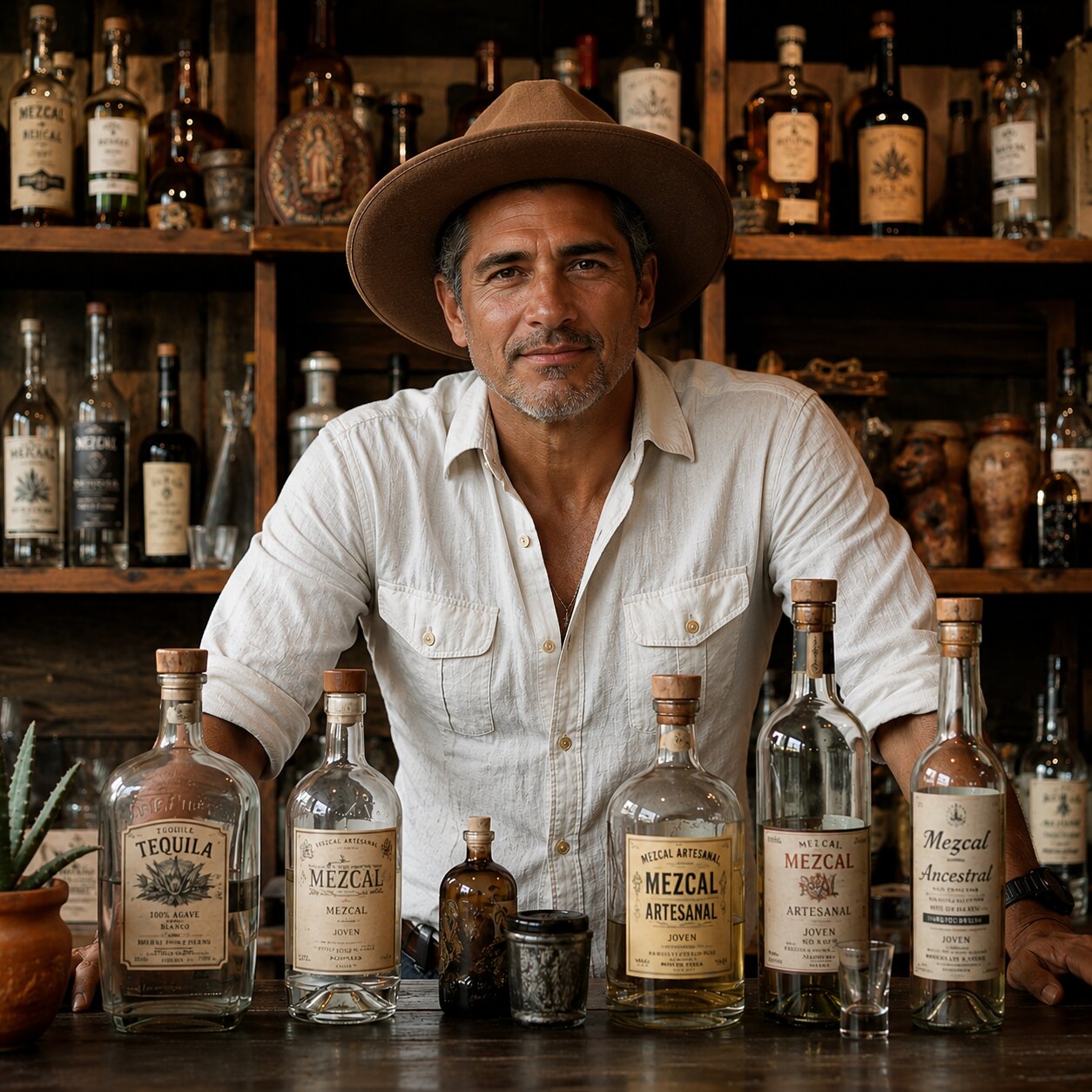
Mexico’s agave landscape extends far beyond the handful of internationally recognized brands that dominate supermarket shelves and airport duty free stores. Across the country, thousands of producers operate at different scales, from historic family distilleries to tiny artisanal projects that may produce only a few hundred bottles at a time.
Many of these spirits never reach European consumers.
The reasons have little to do with quality.
In fact, some of the most distinctive agave spirits available today come from producers that remain virtually unknown outside their home regions. Their methods often reflect generations of local knowledge and traditions that vary dramatically from one community to another.
Travel through Mexico’s producing regions and the diversity becomes immediately apparent.
In some areas, agaves are roasted for days in underground earthen pits fueled by wood and volcanic stone. Elsewhere, producers rely on brick ovens, traditional mills, or tahona wheels carved from stone. Fermentation may take place in open wooden vats exposed to local yeasts. Distillation can occur in copper stills, clay vessels, or hybrid systems developed over decades.
Regions throughout Oaxaca, Guerrero, Michoacán, Durango, Puebla, and Jalisco contribute unique expressions shaped by local agave species, climate, soil composition, water sources, and production traditions. The result is one of the most diverse spirits categories in the world.
Yet much of this diversity remains invisible in Europe.
The challenge is not consumer interest. Demand has never been stronger.
The obstacle is infrastructure.
From a distance, the European market appears straightforward. A producer creates an exceptional spirit, finds interested buyers, and ships bottles overseas. The practical reality is considerably more complicated.
Every bottle entering Europe encounters a sophisticated regulatory environment involving customs procedures, excise administration, tax compliance, labeling standards, warehousing requirements, inventory management, logistics coordination, and reporting obligations.
Those requirements rarely stop at a single border.
A brand that wishes to sell in Germany, France, the Netherlands, Denmark, Belgium, and the United Kingdom quickly discovers that each market introduces its own administrative considerations. Tax structures differ. Distribution channels vary. Compliance procedures evolve. Operational costs accumulate.
For large multinational spirits companies, these challenges are manageable.
For smaller independent producers, they can become overwhelming.
Many distilleries possess the expertise to create exceptional tequila or mezcal but lack the resources required to build a multi-country European distribution system from the ground up. Maintaining inventory, managing bonded warehousing, handling excise obligations, coordinating fulfillment, and ensuring reliable delivery networks often require investments that exceed the capabilities of growing brands.
As a result, distribution infrastructure increasingly determines which products consumers ultimately discover.
The situation has created opportunities for specialized companies focused on solving these operational barriers.
This is where Artesario has positioned itself as more than a traditional importer.
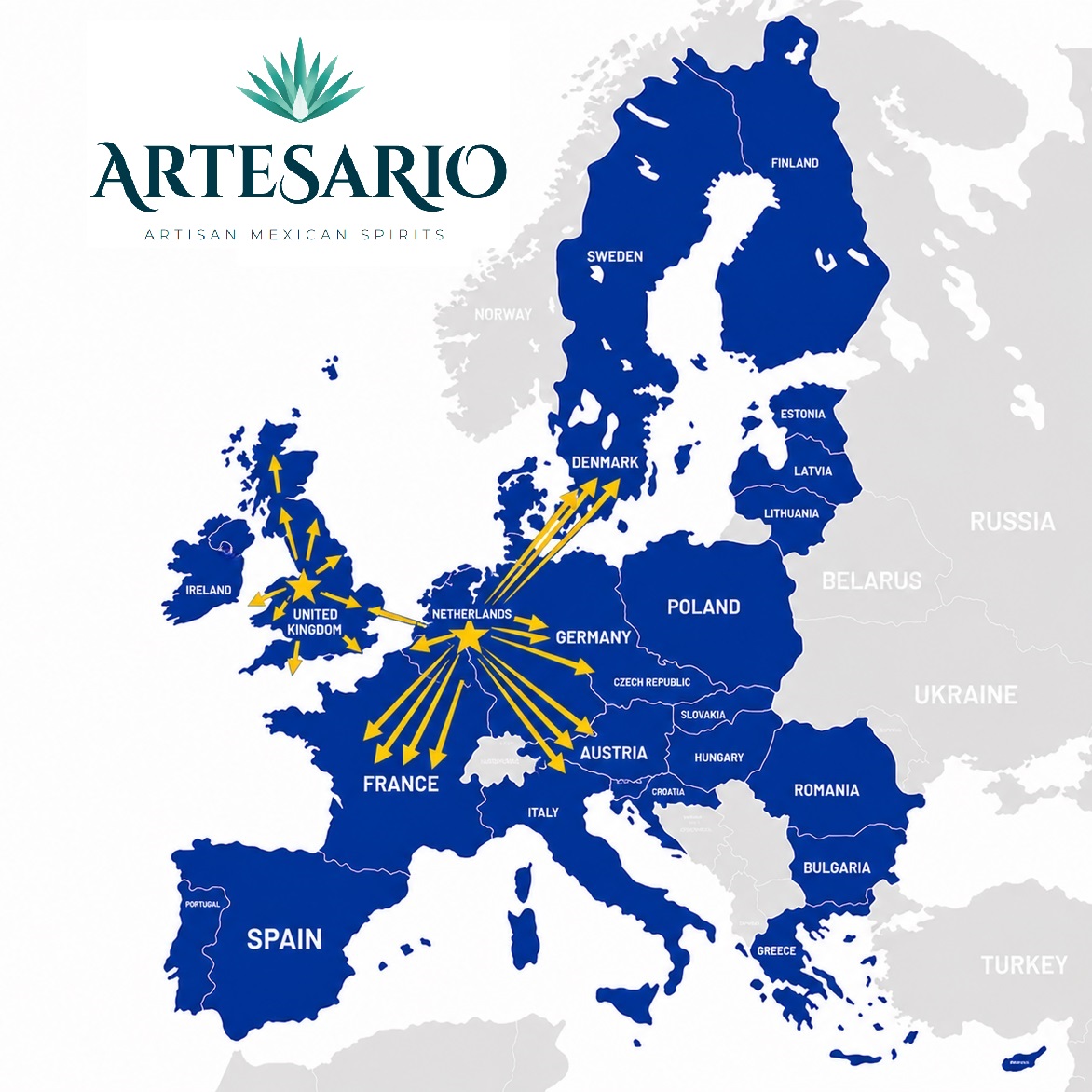
The company provides a complete operational framework designed specifically for tequila and mezcal brands entering or expanding across Europe. Through a single integrated network, producers gain access to bonded warehousing, customs coordination, excise duty management, VAT administration, ecommerce fulfillment, logistics support, inventory management, and multi-country distribution capabilities.
Instead of building separate structures in every country, brands can leverage an existing European platform that already operates across Germany, Austria, France, Belgium, the Netherlands, Denmark, and the United Kingdom.
The practical advantages are significant. Producers can reduce operational complexity, accelerate market entry, maintain local inventory within Europe, simplify compliance requirements, improve delivery times, and focus their resources on brand development rather than administrative burdens.
As consumer demand for authentic agave spirits continues to grow, the ability to access multiple European markets through a single infrastructure partner may become one of the strongest competitive advantages available to independent producers.
Mexican tequila and mezcal brands interested in expanding their European presence can contact Artesario to explore warehousing, fulfillment, distribution, ecommerce, and market access solutions designed specifically for the agave category.


